
When Are Chemicals “Necessary?”
Us millennials sure hate processed foods, sulfates, red40, plastics, and oh so many chemicals… for good reason! It’s important to know what is contributing to your health in the atmosphere. Indoor Air Pollution is the root cause of many health problems. This time of year, it is particularly good to re-evaluate what we are bringing into our home since we are about to spend the next few months indoors!

The majority of chemicals in the home come from two places – cleaning products and grocery stores. The good news is, we have control over both those things! But then begs the question – when are chemicals more beneficial than they are harmful? When does it become “necessary” for health to use things that are typically viewed as harmful?
Why Chemicals In The First Place?
Ok, so who decided to put these chemicals in everything? While it had a hugely negative effect on people, there was a reason for that choice, right? Yes!
For example, chemicals in laundry detergents can help them to perform just as well in cold water as they do in hot water, which enables consumers to save both money and energy when washing their clothes. Highly concentrated liquid laundry detergents generate less waste, and they don’t need as many packaging materials. Those pros certainly seem nice! You know, hug a tree and all that. Do these benefits outway the importance of a clear and natural laundry detergent?
That all depends on the user! If you were to trade out your name brand or generic laundry detergent, fabric softeners, and dryer sheets for a no-chem or low-chem detergent and dryer balls – most people would notice a difference in as little as 1-2 months. For us, our daughter’s eczema came to a screeching halt and my daily headaches reduced drastically. It was clear that for our family, the cons of “regular” detergents and fabric softeners far outweighed the pros.
Risk Levels
Fact: Any chemical can be toxic if too much is ingested or absorbed into the body. The toxicity of a substance depends on a few factors, including which way they were exposed to the substance, how long they were exposed to it, and how much of it they were exposed to.
If each person viewed chemicals as what they are – potentially hazardous yet useful substances, I believe there would be a lot less toxicity! Chemicals need to be handled appropriately in order to protect your health. If you follow all the safe handling instructions, there should not be negative effects! If you don’t plan to follow the instructions, then find a product that better suits your needs.

So, who’s to say the risk outways the need? To be honest… only you! The best advice I can give you is to do your research and don’t trust just anyone. The ACI provides a summary of the hazard and exposure data collected as well as a summary of screening-level risk assessment results. So, be proactive by researching the products you purchase and the places you purchase from beforehand.
Case And Point
Health is always a factor when you make decisions for your home. Here are some problems we have had, along with what the least risky chemical choice was for our family. Yes, these are all true stories!
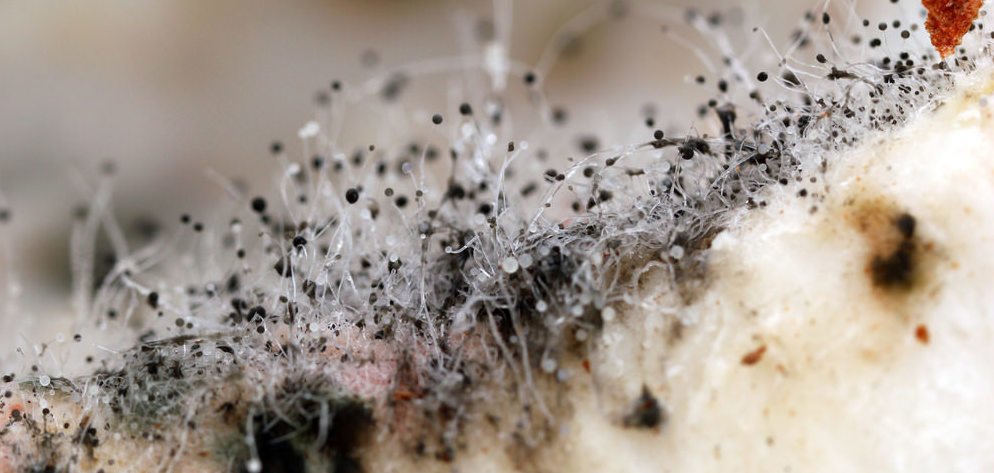
Problem: Something sprung a leak in our home and now mold is growing on the carpet and trim in the basement.
My “Least Risk” Solution: Ventilate the area & mask up – shield our lungs and protect ourselves from the negative effects of mold. Get professional advice and use commercial grade microban – having to rip out our carpet AGAIN later on because we didn’t fully rid the area of bacteria growth is too much of a risk for us. Microban will be the one-time chemical use that can protect us from mold and a potentially failed project!
Problem: I don’t have time to disinfect my counters and I’m worried my little ones will get into the chemical containers (like they do everything else).
My “Least Risk” Solution: Mechanical cleaning with quality microfiber is the quickest and safest way to clean the most surface area! I keep only 1 disinfecting chemical in the cleaning closet. I have it thoroughly researched and it’s tucked away on a top shelf, only for nasty and “necessary” situations (those happen approximately every other month in my crazy house).
Problem: Our cat is stressed and has found an area of our carpet to use as a bathroom!
My “Least Risk” Solution: Temporarily using Vet’s Trust on all affected surfaces, and steam cleaning carpeting as much as possible. Once the cat is de-stressed, we will replace our carpeting with LVP, and replace the trim.